Email Us
News

What Makes a Manual Valve Essential in Modern Industrial Systems?

2026-03-31 0 Leave me a message

In industries ranging from water treatment to oil and gas, the ability to precisely control fluid flow is critical for safety, efficiency, and cost management. Among the many control devices available, the manual valve remains a fundamental component due to its reliability, simplicity, and cost-effectiveness. Despite the rise of automation, manual valves continue to play an indispensable role in countless systems worldwide. This article explores their functions, types, benefits, and how to select the right one for your needs, helping you overcome common challenges such as leakage, inefficiency, and system failure.

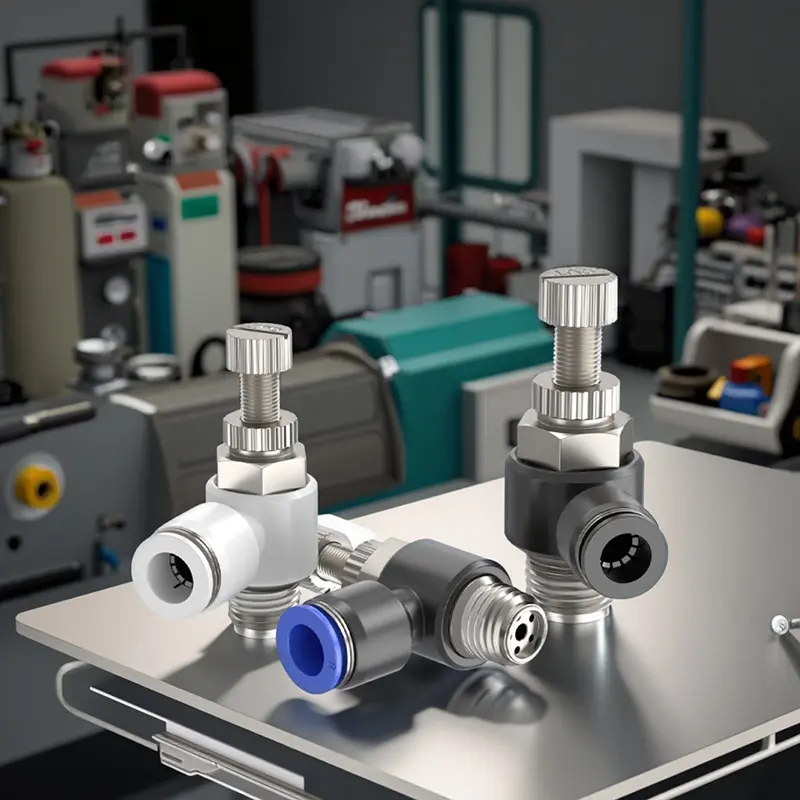
manual valve


Abstract

Manual valves are mechanical devices used to regulate, start, or stop fluid flow in pipelines. This comprehensive guide explains their working principles, types, applications, advantages, and selection criteria. It also addresses common customer pain points such as durability, maintenance, and cost optimization. Whether you are an engineer, procurement specialist, or business owner, this guide provides practical insights to help you make informed decisions.


Table of Contents


1. Introduction to Manual Valves

A manual valve is a device operated by hand to control the flow and pressure of liquids, gases, or slurries within a system. Unlike automated valves, manual valves do not require electricity or pneumatic actuators, making them highly dependable in environments where simplicity and reliability are crucial.

Customers often face challenges such as high maintenance costs, unexpected leakage, or complex installations. Manual valves provide a practical solution due to their straightforward design and ease of use.


2. How Do Manual Valves Work?

Manual valves operate through mechanical motion controlled by a handle, wheel, or lever. When the operator turns or moves the actuator, internal components such as discs, balls, or gates adjust to regulate the flow.

  • Open Position: Fluid flows freely through the valve.
  • Closed Position: Flow is completely blocked.
  • Partial Position: Flow is regulated to a desired level.

The simplicity of this mechanism reduces the risk of failure and ensures consistent performance over time.


3. Types of Manual Valves

Understanding different valve types helps customers choose the right solution for specific applications.

  • Ball Valve: Uses a rotating ball to control flow; ideal for quick shut-off.
  • Gate Valve: Designed for full open or close operations with minimal pressure drop.
  • Globe Valve: Suitable for flow regulation and throttling.
  • Butterfly Valve: Lightweight and cost-effective for large pipelines.
  • Check Valve: Prevents backflow automatically.

ZHEJIANG OULEIKAI PNEUMATIC CO.,LTD offers a wide range of high-quality manual valves tailored to various industrial needs.


4. Key Applications Across Industries

Manual valves are widely used across multiple industries due to their versatility:

  • Water treatment systems
  • Oil and gas pipelines
  • Chemical processing plants
  • Food and beverage production
  • HVAC systems

Their ability to function without external power makes them especially valuable in remote or emergency situations.


5. Benefits of Using Manual Valves

Customers often seek solutions that balance cost, reliability, and ease of use. Manual valves excel in all these aspects:

  • Cost-Effective: Lower initial and maintenance costs.
  • Reliable: Minimal risk of mechanical failure.
  • Easy Installation: No complex wiring or setup required.
  • Durable: Long service life with proper maintenance.
  • Safe: Ideal for emergency shut-off situations.

6. Common Problems and Solutions

Despite their advantages, users may encounter certain issues:

  • Leakage: Caused by worn seals; solution: regular inspection and replacement.
  • Corrosion: Occurs in harsh environments; solution: use corrosion-resistant materials.
  • Stiff Operation: Due to debris or lack of lubrication; solution: periodic cleaning.

Choosing products from trusted manufacturers like ZHEJIANG OULEIKAI PNEUMATIC CO.,LTD can significantly reduce these risks.


7. How to Choose the Right Manual Valve

Selecting the right manual valve involves several critical factors:

  • Material Compatibility: Ensure resistance to the fluid being handled.
  • Pressure Rating: Match the system’s operating pressure.
  • Temperature Range: Consider extreme conditions.
  • Valve Size: Proper sizing ensures optimal flow control.
  • Application Type: Choose based on whether you need shut-off or regulation.

8. Comparison Table of Valve Types

Valve Type Best Use Advantages Limitations
Ball Valve Quick shut-off Fast operation, durable Limited throttling
Gate Valve Full flow control Low pressure drop Slow operation
Globe Valve Flow regulation Precise control Higher resistance
Butterfly Valve Large pipelines Lightweight, compact Less sealing capability

9. Maintenance and Longevity Tips

To maximize the lifespan of your manual valves:

  • Perform regular inspections
  • Lubricate moving parts
  • Replace worn seals promptly
  • Clean internal components periodically

Consistent maintenance ensures optimal performance and reduces downtime.


10. Why Choose ZHEJIANG OULEIKAI PNEUMATIC CO.,LTD

ZHEJIANG OULEIKAI PNEUMATIC CO.,LTD is a trusted manufacturer known for delivering high-quality manual valves designed for durability and precision. Their products meet international standards and are widely used in various industries worldwide.

  • Advanced manufacturing technology
  • Strict quality control processes
  • Wide product range
  • Excellent customer support

Partnering with ZHEJIANG OULEIKAI PNEUMATIC CO.,LTD ensures reliable solutions tailored to your specific needs.


11. FAQ

Q1: What is the main advantage of a manual valve?
A: Its simplicity and reliability make it ideal for systems requiring consistent performance without power dependency.

Q2: How long do manual valves last?
A: With proper maintenance, they can last many years, often exceeding a decade.

Q3: Can manual valves be used in high-pressure systems?
A: Yes, provided they are rated for the specific pressure requirements.

Q4: How do I prevent valve leakage?
A: Regular inspection and timely replacement of seals are key.

Q5: Why choose ZHEJIANG OULEIKAI PNEUMATIC CO.,LTD?
A: Their expertise, quality assurance, and comprehensive product range make them a reliable choice.


Conclusion

Manual valves remain a cornerstone of industrial systems due to their efficiency, durability, and ease of use. By understanding their types, applications, and maintenance requirements, businesses can significantly improve operational performance and reduce costs.

If you are looking for high-quality manual valves that deliver consistent performance and long-term reliability, ZHEJIANG OULEIKAI PNEUMATIC CO.,LTD is your ideal partner. Contact us today to explore customized solutions and elevate your system efficiency.

Related News
Leave me a message
E-mail
cici@olkptc.com
Mobile
+86-13736765213
Address
Zhengtai Road, Xinguang Industrial Zone, Liushi, Yueqing, Wenzhou, Zhejiang, China.
X
We use cookies to offer you a better browsing experience, analyze site traffic and personalize content. By using this site, you agree to our use of cookies. Privacy Policy
Reject Accept