Email Us
News

Why Is Multiaxis Cylinder Essential for Modern Automation Systems?

2026-05-13 0 Leave me a message

In today's competitive manufacturing environment, precision, efficiency, and reliability are more important than ever. Multiaxis cylinders have become an important component in industrial automation because they allow synchronized linear motion in multiple directions while maintaining excellent stability and compact installation dimensions.

This comprehensive guide explains how multiaxis cylinders work, where they are used, their advantages over traditional pneumatic systems, selection considerations, maintenance methods, and future development trends. Whether you operate automated production lines, robotic handling systems, packaging equipment, or precision assembly machines, understanding multiaxis cylinders can help improve productivity and reduce operational downtime.

Multiaxis cylinders


Table of Contents


1. What Is a Multiaxis Cylinder?

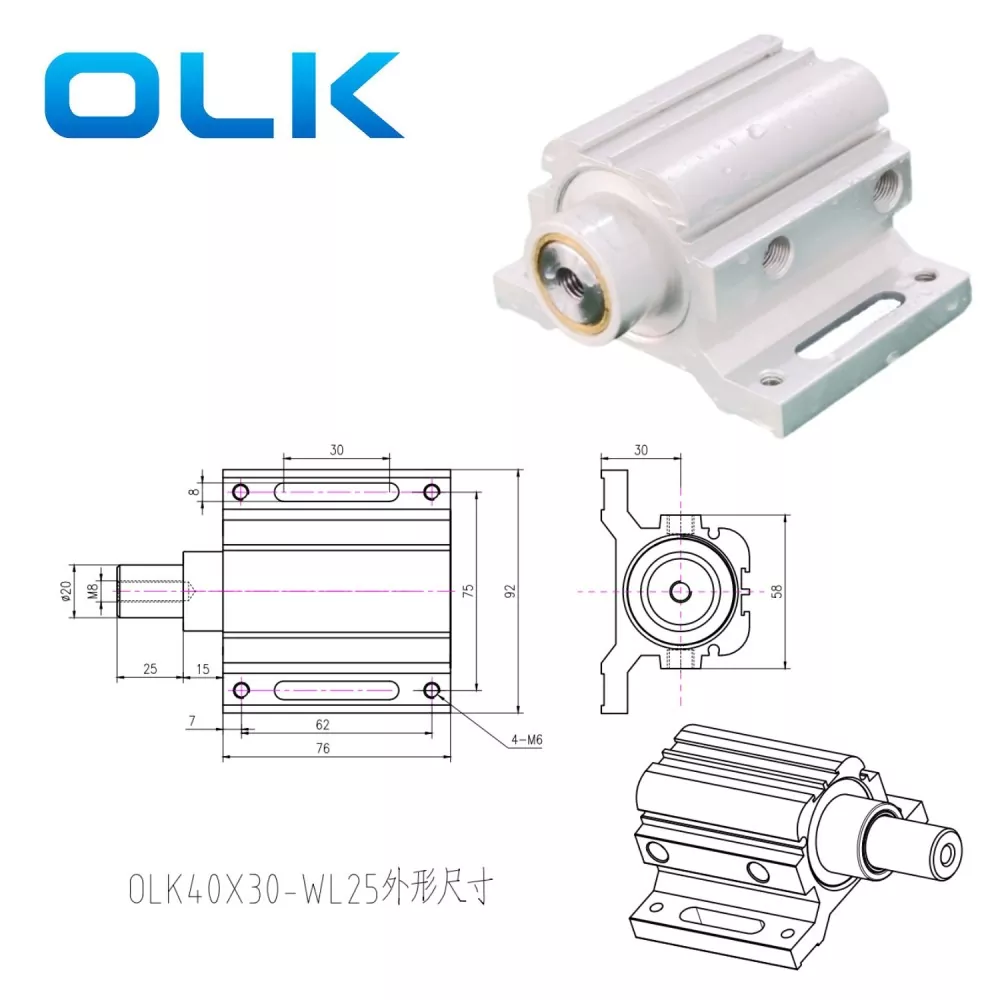
A multiaxis cylinder is an advanced pneumatic actuator designed to provide stable and synchronized movement across multiple axes. Unlike standard cylinders that only perform single-direction linear motion, multiaxis cylinders combine guide rods, slide mechanisms, or parallel structures to ensure higher accuracy and better load handling capabilities.

These cylinders are widely used in automated machinery where precise positioning and compact design are critical. Their structure allows reduced vibration, minimized deflection, and improved operational consistency during repetitive industrial tasks.

Feature Description
Motion Stability Provides balanced movement and reduced wobbling
Load Capacity Handles offset and side loads effectively
Compact Structure Suitable for limited installation spaces
Precision Improves repeatability and positioning accuracy

2. How Does a Multiaxis Cylinder Work?

The working principle of a multiaxis cylinder is based on pneumatic pressure driving one or more pistons inside a cylinder chamber. What makes the design unique is the integration of guide shafts or support structures that control movement accuracy and reduce unwanted rotation.

Compressed air enters the cylinder chamber and creates force that pushes the piston forward or backward. The synchronized guide system ensures that movement remains stable even when handling uneven or heavy loads.

Key Functional Components:
  • Piston assembly
  • Guide rods or guide rails
  • Cylinder barrel
  • Air ports
  • Shock absorption components
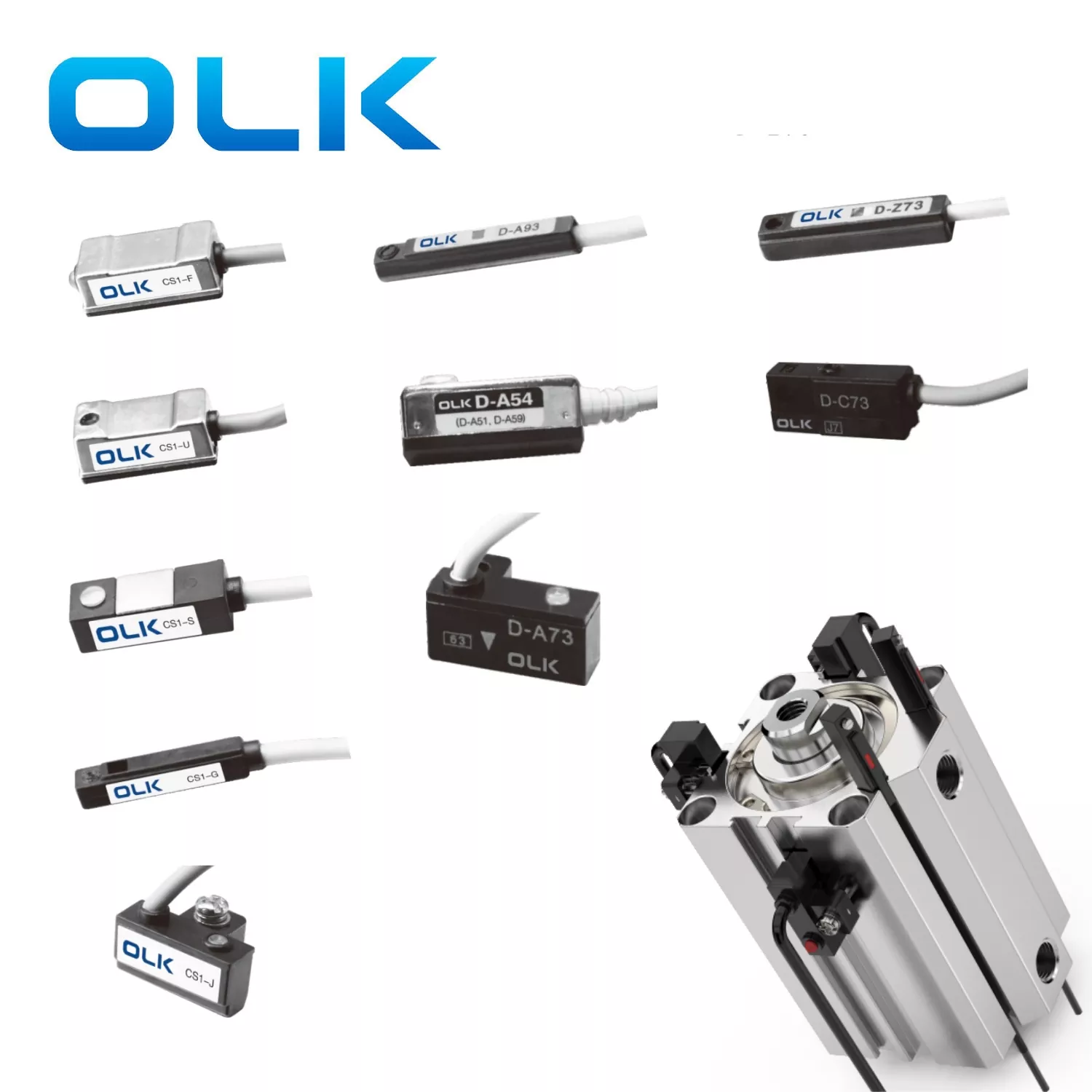
  • Position sensors

In many automated systems, multiaxis cylinders are integrated with sensors and electronic controls to achieve fully automated movement sequences with exceptional repeatability.


3. Major Advantages of Multiaxis Cylinders

Manufacturers increasingly prefer multiaxis cylinders because they solve several common industrial automation challenges simultaneously.

Improved Precision

Guide mechanisms reduce lateral movement and increase positioning consistency.

Space Saving

Compact integrated structures eliminate the need for additional external guides.

Higher Stability

Balanced motion minimizes vibration and improves operational reliability.

Reduced Maintenance

Durable structures reduce wear and lower long-term maintenance costs.

These benefits make multiaxis cylinders especially valuable for automated assembly lines, packaging equipment, semiconductor manufacturing, and robotics.


4. Common Industrial Applications

Multiaxis cylinders are widely used across many industries because they provide reliable motion control while supporting heavy operational cycles.

Industry Typical Application
Automotive Part positioning and assembly operations
Electronics Precision handling and component transfer
Packaging Carton movement and product sorting
Medical Equipment Automated testing and material transport
Food Processing Automated packaging and handling systems

Because of their stable movement characteristics, these cylinders are ideal for applications that require accurate and repetitive positioning.


5. Multiaxis Cylinder vs Traditional Cylinders

Traditional pneumatic cylinders are effective for basic linear movement, but they often require additional external guides for stability. Multiaxis cylinders integrate these features into a single compact structure.

Factor Traditional Cylinder Multiaxis Cylinder
Precision Moderate High
Stability Requires external guide Integrated guidance
Installation Space Larger Compact
Maintenance More components Simplified system

6. How to Choose the Right Multiaxis Cylinder

Selecting the correct multiaxis cylinder directly affects production efficiency and equipment lifespan. Engineers should carefully evaluate operational requirements before making a purchase decision.

  • Load Capacity: Determine maximum weight and side load conditions.
  • Stroke Length: Choose a stroke suitable for application movement distance.
  • Operating Pressure: Match cylinder specifications with system pressure.
  • Installation Space: Evaluate available machine dimensions.
  • Motion Accuracy: Consider repeatability and precision requirements.
  • Environmental Conditions: Assess temperature, humidity, and contamination exposure.

Choosing the wrong model can result in unstable motion, excessive wear, or reduced operational efficiency. Careful planning significantly improves system performance.


7. Materials and Structural Design

High-quality multiaxis cylinders are typically manufactured using durable aluminum alloys, stainless steel guide rods, and wear-resistant sealing materials.

Structural design plays a major role in operational performance. Advanced engineering techniques improve rigidity while minimizing total weight.

Aluminum Alloy Body

Lightweight yet durable, suitable for high-speed automation systems.

Stainless Steel Guides

Improve corrosion resistance and maintain movement accuracy.

High-Performance Seals

Reduce air leakage and extend service life under continuous operation.


8. Installation Best Practices

Proper installation is essential for maximizing cylinder lifespan and operational efficiency.

  1. Ensure mounting surfaces are flat and stable.
  2. Avoid excessive side loads during operation.
  3. Use clean and dry compressed air.
  4. Verify alignment before startup.
  5. Install shock absorbers if required.
  6. Regularly inspect air fittings and seals.

Incorrect installation can reduce positioning accuracy and increase maintenance frequency.


9. Maintenance and Troubleshooting

Routine maintenance helps prevent unexpected downtime and ensures stable performance.

Problem Possible Cause Solution
Air Leakage Damaged seals Replace sealing components
Unstable Motion Misalignment Recheck installation accuracy
Slow Operation Insufficient air pressure Adjust air supply system
Excessive Wear Poor lubrication Improve lubrication maintenance

10. Future Trends in Pneumatic Automation

The industrial automation market continues to evolve rapidly. Smart manufacturing systems increasingly demand compact, intelligent, and energy-efficient pneumatic solutions.

Future multiaxis cylinders are expected to integrate advanced sensors, digital monitoring systems, predictive maintenance functions, and enhanced energy-saving technologies.

  • Integrated IoT monitoring
  • Improved energy efficiency
  • Higher positioning precision
  • Compact lightweight structures
  • Longer maintenance intervals
  • Enhanced smart factory compatibility

11. Frequently Asked Questions

Can multiaxis cylinders handle heavy loads?

Yes. Many multiaxis cylinders are specifically designed for high-load applications and provide excellent stability even under side-load conditions.

Are multiaxis cylinders suitable for high-speed automation?

Absolutely. Their integrated guide systems reduce vibration and support stable high-speed operation.

How long does a multiaxis cylinder typically last?

Service life depends on operating conditions, maintenance quality, and application intensity. High-quality cylinders can operate reliably for millions of cycles.

What industries benefit most from multiaxis cylinders?

Automotive manufacturing, electronics assembly, packaging, semiconductor production, and robotics industries all benefit significantly.

Can these cylinders be customized?

Yes. Many manufacturers offer custom stroke lengths, mounting configurations, sensor options, and material selections.


12. Conclusion

Multiaxis cylinders have become a critical solution for modern industrial automation because they combine precision, stability, compact design, and operational efficiency into one integrated system.

As manufacturing technologies continue to advance, the demand for reliable pneumatic motion control solutions will continue to grow. Businesses that invest in high-quality multiaxis cylinders can improve production consistency, reduce maintenance costs, and achieve higher overall productivity.

Whether your application involves automated assembly, packaging, robotics, or precision handling, selecting the right multiaxis cylinder can significantly improve system performance and long-term operational reliability. 

ZHEJIANG OULEIKAI PNEUMATIC CO.,LTD specializes in high-performance pneumatic components designed for modern industrial automation systems. Our experienced team provides reliable products, professional technical support, and customized solutions for global customers.

Contact us today to discuss your automation requirements and discover the ideal multiaxis cylinder solution for your business.


Related News
Leave me a message
E-mail
cici@olkptc.com
Mobile
+86-13736765213
Address
Zhengtai Road, Xinguang Industrial Zone, Liushi, Yueqing, Wenzhou, Zhejiang, China.
X
We use cookies to offer you a better browsing experience, analyze site traffic and personalize content. By using this site, you agree to our use of cookies. Privacy Policy
Reject Accept