Email Us
News

How Does an Air Control Valve Work in Pneumatic Automation Applications

2026-01-08 0 Leave me a message

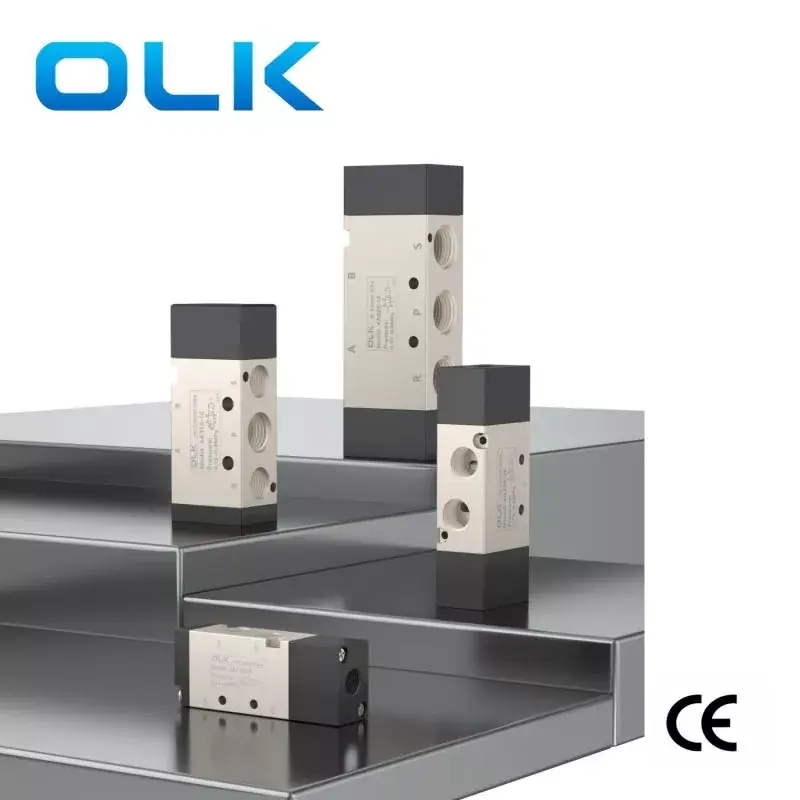
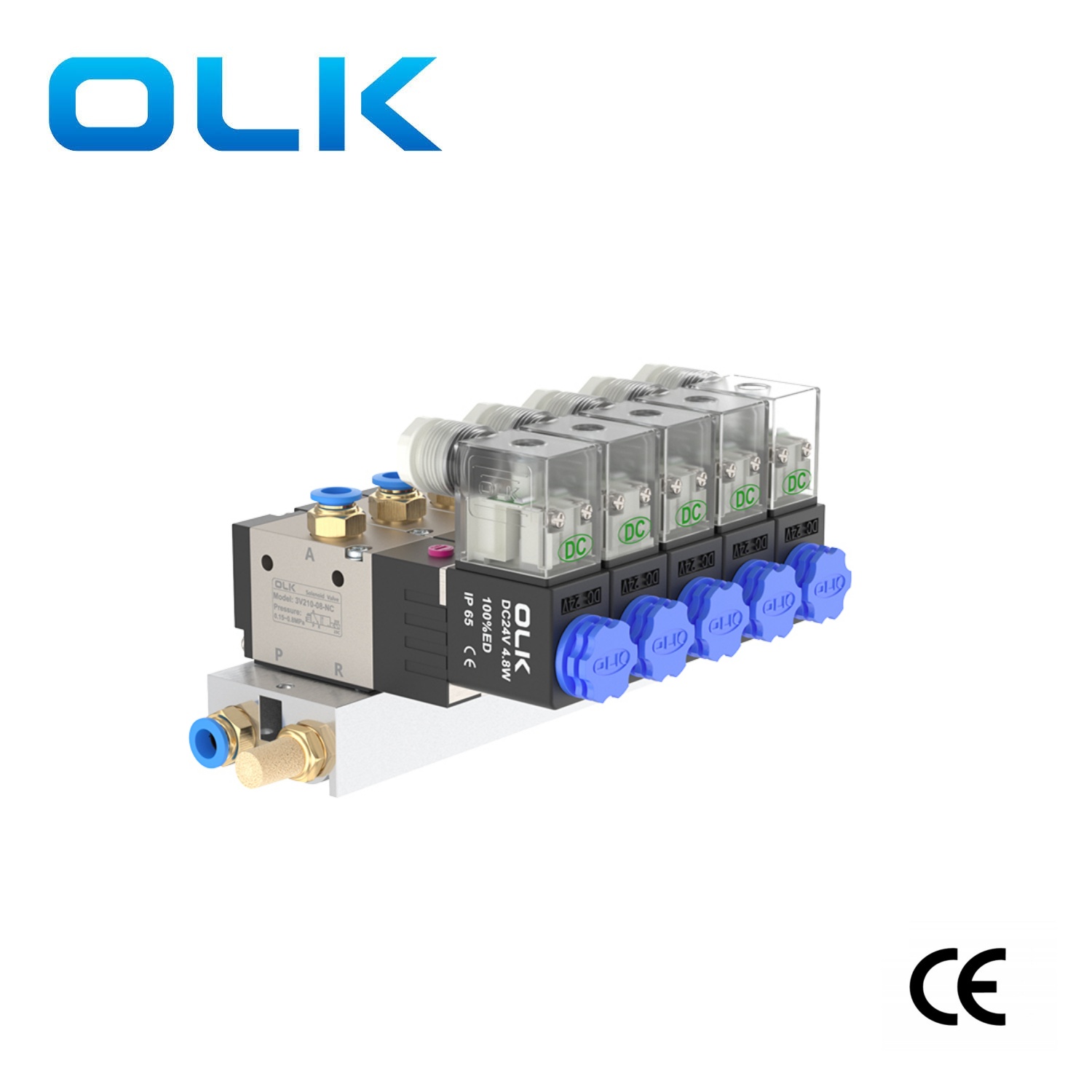
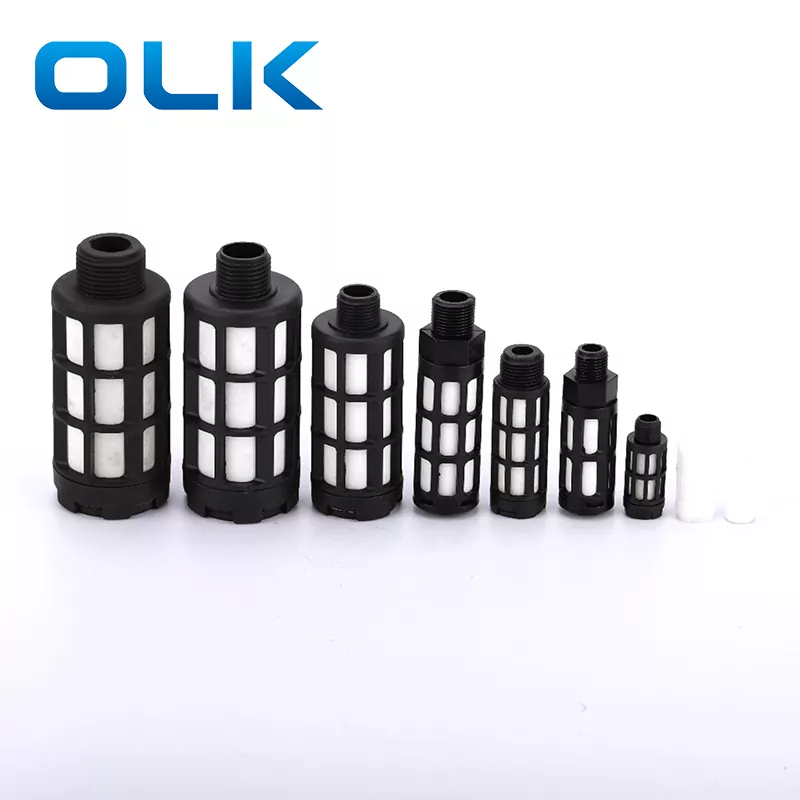
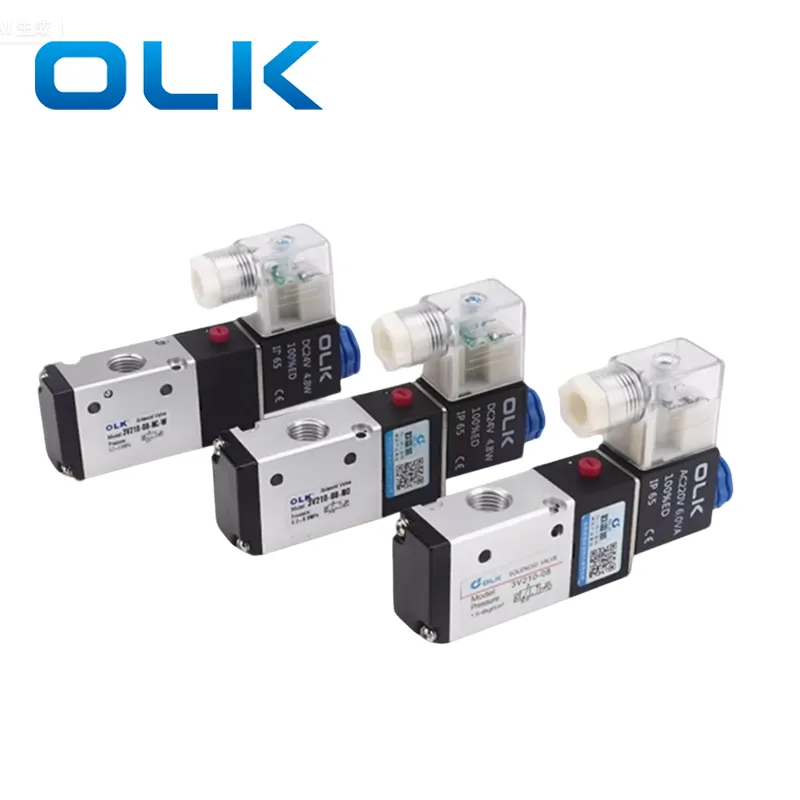
An Air Control Valve plays a vital role in pneumatic automation by regulating, directing, and controlling compressed air flow within industrial systems. From manufacturing lines to robotic automation, these valves ensure precision, safety, and efficiency. This in-depth guide explores how air control valves work, their types, applications, selection criteria, and why manufacturers like Ouleikai are trusted by global industries.

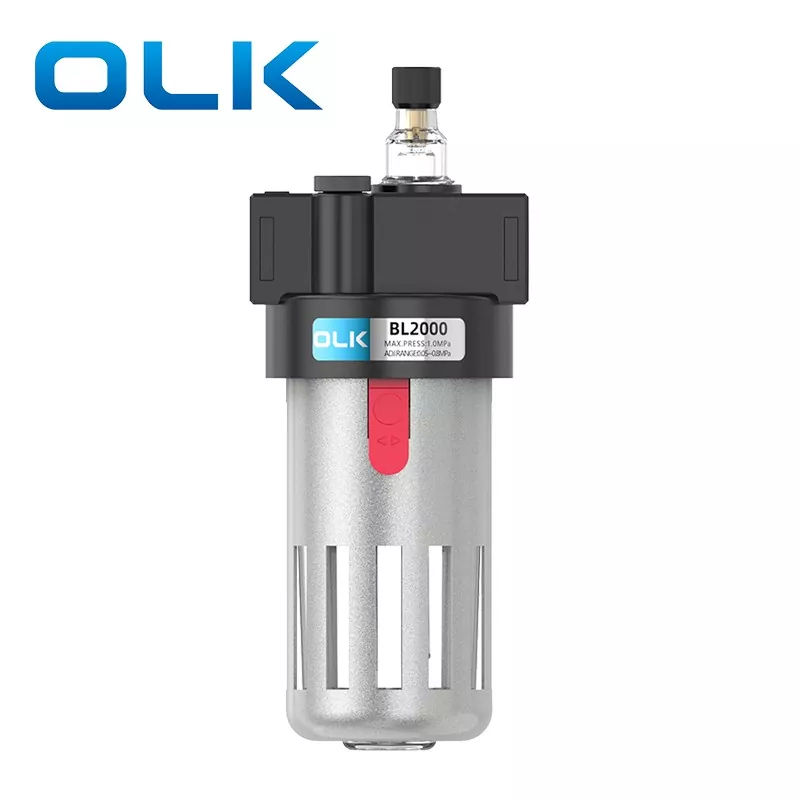
Air Control Valve

Table of Contents


1. What Is an Air Control Valve?

An Air Control Valve is a mechanical or electromechanical device used to regulate the flow, pressure, and direction of compressed air in pneumatic systems. These valves are essential in ensuring that air-powered equipment operates smoothly and accurately.

In industrial automation, air control valves act as the “traffic controllers” of compressed air, ensuring each actuator, cylinder, or tool receives the correct airflow at the right time.


2. How Does an Air Control Valve Work?

An air control valve works by opening, closing, or partially obstructing air passages to control airflow. Depending on the valve design, it may be manually operated, pneumatically actuated, or electrically controlled.

  • Compressed air enters the valve inlet
  • The internal mechanism directs or restricts airflow
  • Air exits through designated ports to actuators or tools

In automated systems, solenoid-driven air control valves receive electrical signals from PLCs, enabling precise and repeatable control—an essential requirement in modern smart factories.


3. Key Components of an Air Control Valve

Component Function
Valve Body Houses internal airflow channels
Spool / Poppet Directs airflow between ports
Seals Prevents air leakage
Actuator Triggers valve movement (manual, pneumatic, or electric)
Ports Connects air supply, exhaust, and outputs

4. Types of Air Control Valves in Pneumatic Systems

There are several types of air control valves used in automation, each designed for specific functions:

  • Directional Control Valves – Control airflow direction
  • Flow Control Valves – Regulate air speed
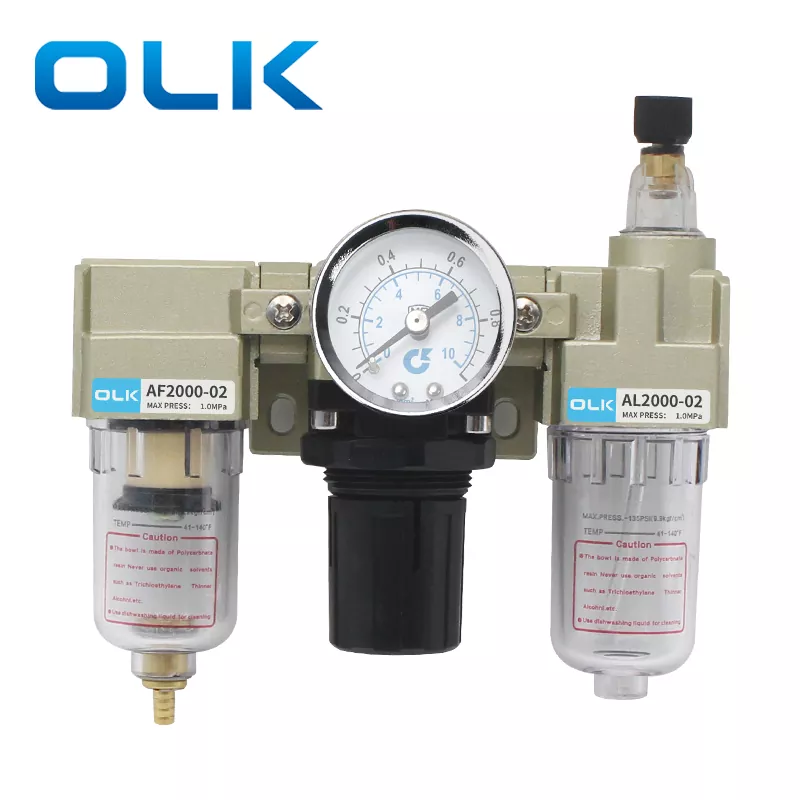
  • Pressure Control Valves – Maintain safe pressure levels
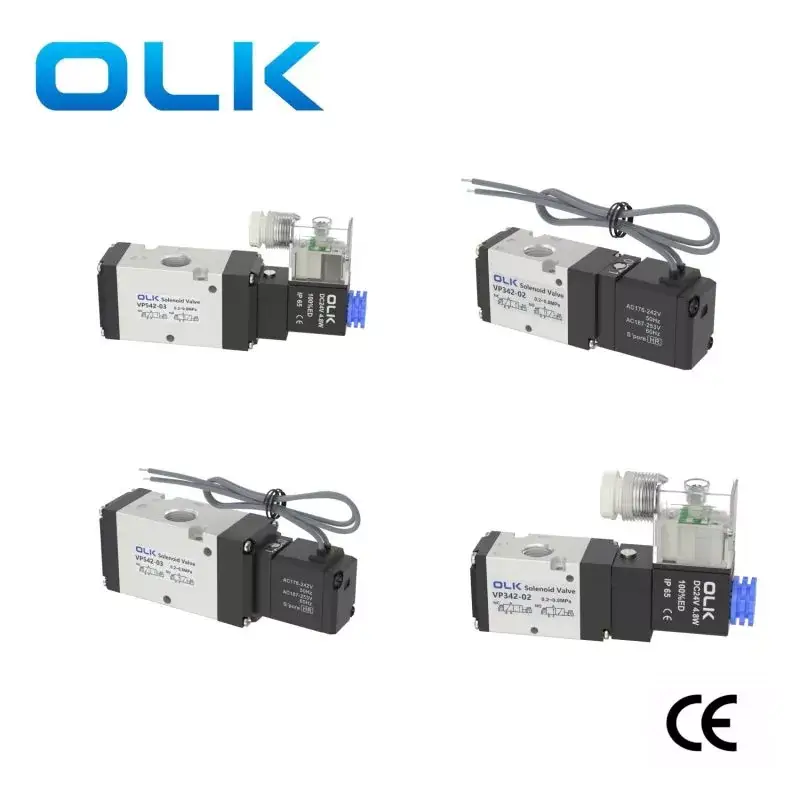
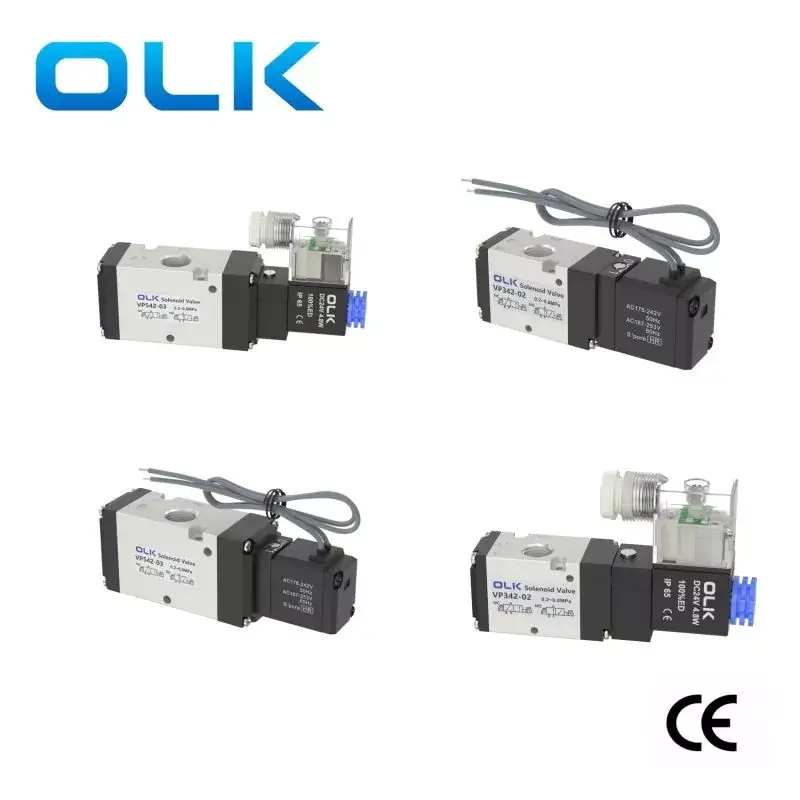
  • Solenoid Air Control Valves – Electrically controlled for automation

5. Applications of Air Control Valves in Automation

Air control valves are widely used across industries due to their reliability and efficiency:

  • Automated assembly lines
  • Packaging and filling machinery
  • Robotic arms and grippers
  • Medical and laboratory equipment
  • Textile and printing machines

Manufacturers like Ouleikai provide air control valve solutions that meet the demanding requirements of high-speed and high-precision industrial environments.


6. Benefits of Using High-Quality Air Control Valves

  • Improved system accuracy
  • Reduced energy consumption
  • Longer equipment lifespan
  • Lower maintenance costs
  • Enhanced workplace safety

High-performance air control valves help optimize compressed air usage, which is one of the most expensive utilities in industrial operations.


7. How to Choose the Right Air Control Valve

Selection Factor Description
Operating Pressure Must match system requirements
Flow Rate Ensures adequate air delivery
Control Method Manual, pneumatic, or electric
Environment Temperature, humidity, dust levels

8. Common Problems and Maintenance Tips

Like all pneumatic components, air control valves require regular inspection.

  • Check for air leaks
  • Clean internal components periodically
  • Replace worn seals
  • Ensure proper lubrication

Preventive maintenance can significantly extend valve service life and reduce unplanned downtime.


9. Air Control Valve vs Other Pneumatic Valves

Valve Type Main Function
Air Control Valve Controls airflow and direction
Solenoid Valve Electrical on/off air control
Pressure Regulator Maintains constant pressure

10. Frequently Asked Questions (FAQ)

Q1: What is an air control valve used for?

It is used to regulate airflow, pressure, and direction in pneumatic systems.

Q2: Are air control valves suitable for automation?

Yes, especially solenoid-operated air control valves, which integrate easily with PLC systems.

Q3: How long does an air control valve last?

With proper maintenance, high-quality valves can operate reliably for millions of cycles.

Q4: Why choose Ouleikai air control valves?

Ouleikai offers precision-engineered air control valves with stable performance, durability, and global industry compliance.


Conclusion

Understanding how an Air Control Valve works is essential for designing efficient and reliable pneumatic automation systems. From controlling airflow to improving energy efficiency, these components are indispensable in modern industry.

If you are looking for dependable air control valve solutions tailored to your application needs, contact us today to discover how Ouleikai can support your automation projects with professional expertise and high-quality products.

Related News
Leave me a message
E-mail
cici@olkptc.com
Mobile
+86-13736765213
Address
Zhengtai Road, Xinguang Industrial Zone, Liushi, Yueqing, Wenzhou, Zhejiang, China.
X
We use cookies to offer you a better browsing experience, analyze site traffic and personalize content. By using this site, you agree to our use of cookies. Privacy Policy
Reject Accept